The Psychology of Colours
6 February 2020
TL;DR
- Colours are waves that can travel through a vacuum, combining physical, chemical and psychological phenomena.
- The human eye has 3 cones sensitive to blue, green and red, from which the brain recreates every colour.
- Colour interpretation depends on culture, era and personal experience: red means passion in the West, good fortune in Asia, purity in India.
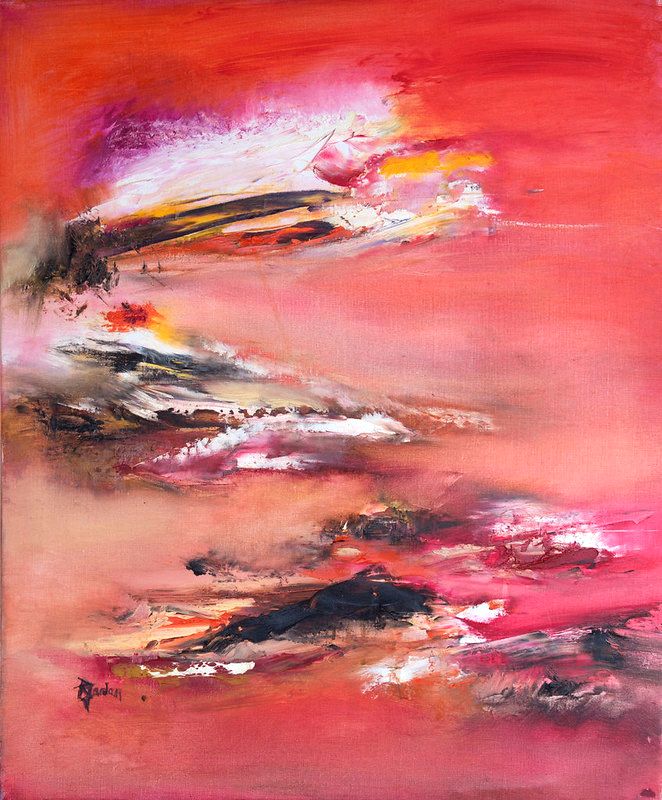
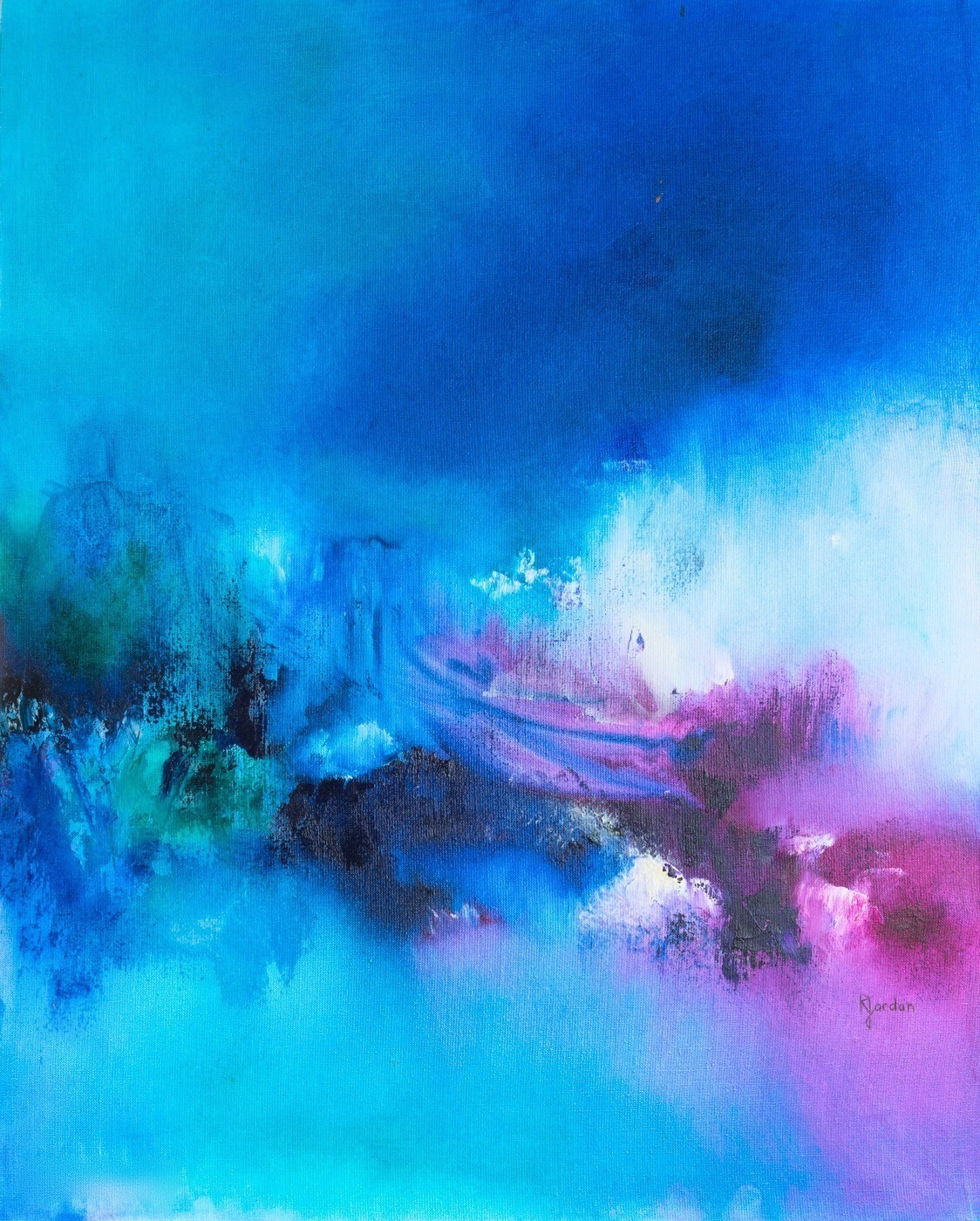
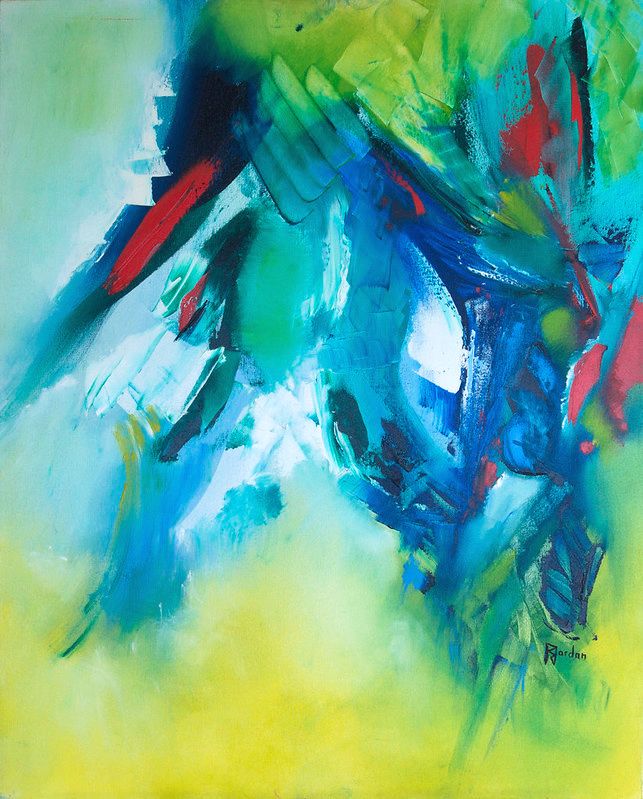
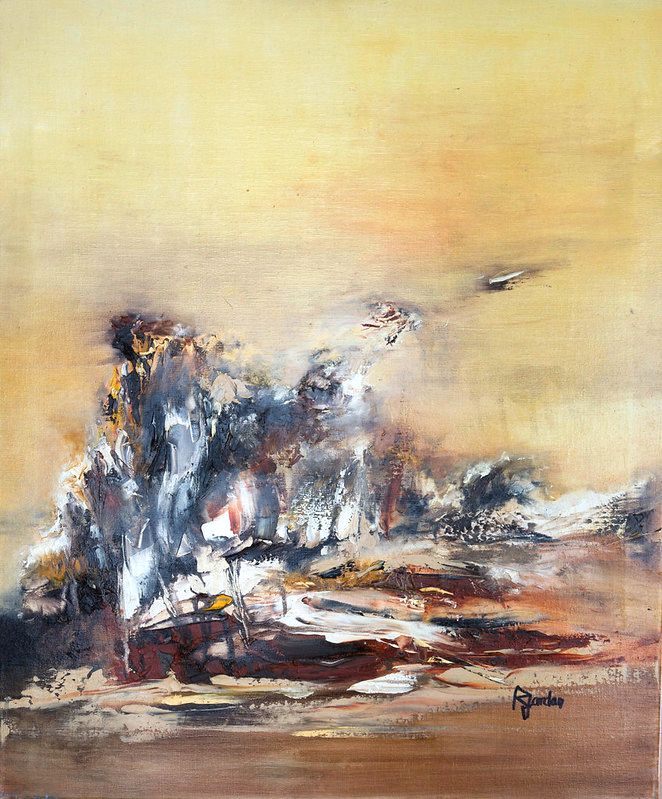
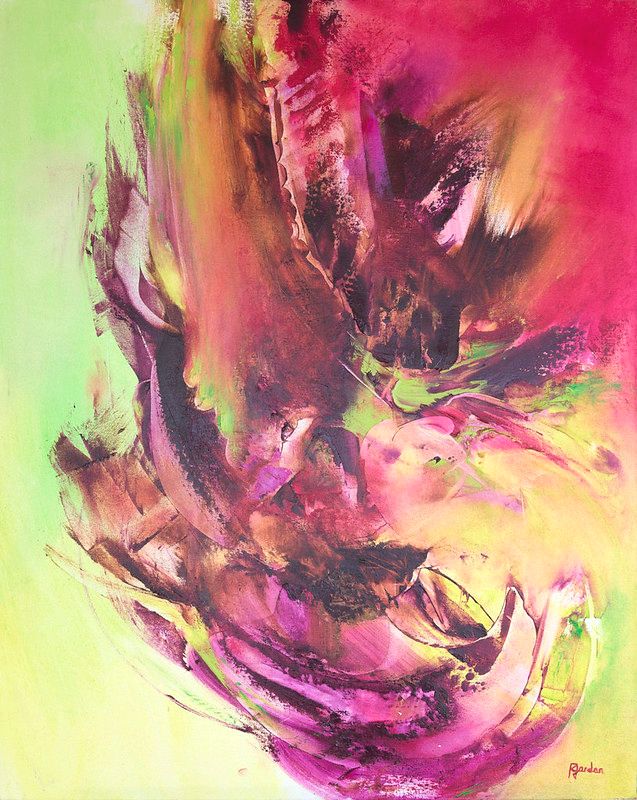
- Régine Gardan Maupilé's paintings unfold across six colour periods, from the Blue Abstract Art period to the Black Abstract Art period.
What is colour?
Colours are waves that can travel through a vacuum
Colour brings together physical, chemical and psychological phenomena
White is made up of an infinite number of waves travelling together; it represents the blend of all colours
The human eye has 3 cones that are sensitive to blue, green and red. From these 3 cones, the human brain can recreate every colour.
The Psychology and Effects of Colours
Colours hold the power to communicate feelings and emotions. They are used a great deal in certain expressions to describe our feelings and emotions
They are used in certain expressions to describe our feelings and emotions
The interpretations we form of colours depend on several factors such as culture, era or even personal experiences
So some people may:
"See life through rose-tinted glasses" to express their joy
"See red" to express their anger
"Have a blue fright" to express their fear
In Western countries, red is a strong colour linked to desire, passion and love; it also stands for violence
In Asia, red represents good fortune, joy, prosperity and celebration
In India, it is associated with purity, sensuality and spirituality