15 original works in this collection.
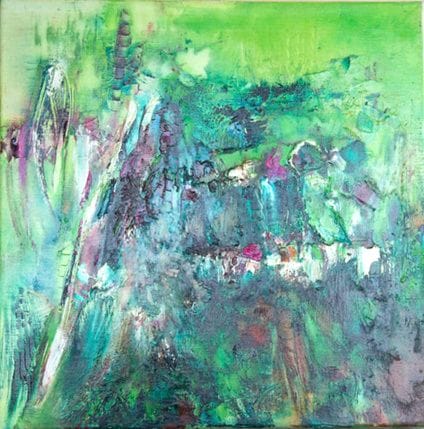
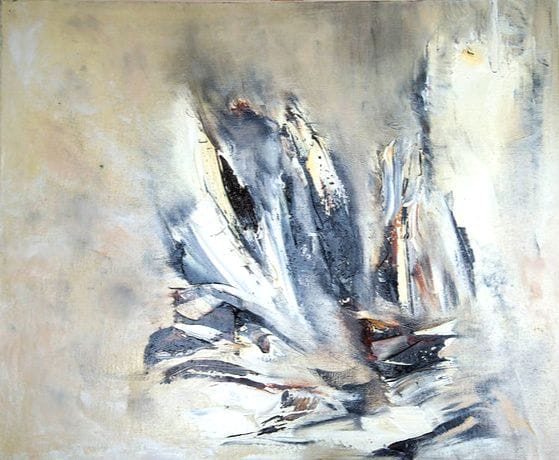
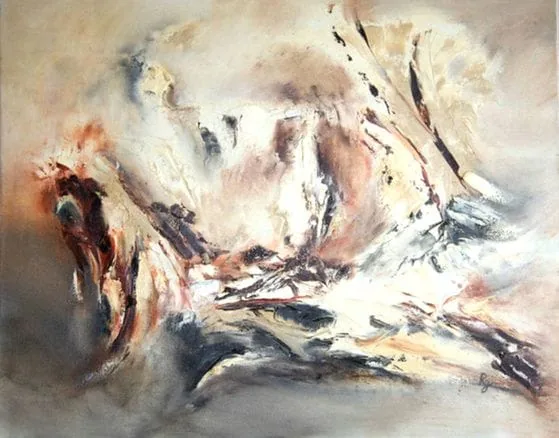
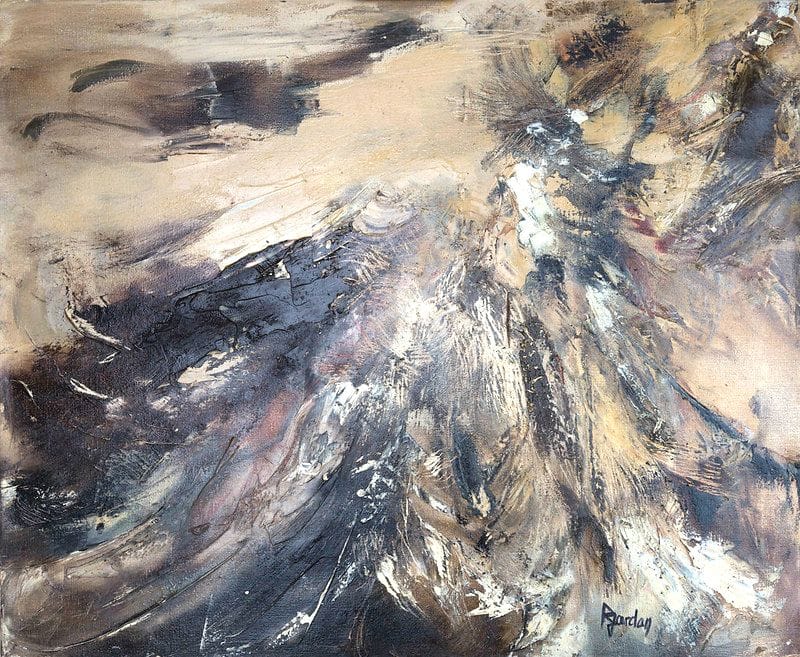
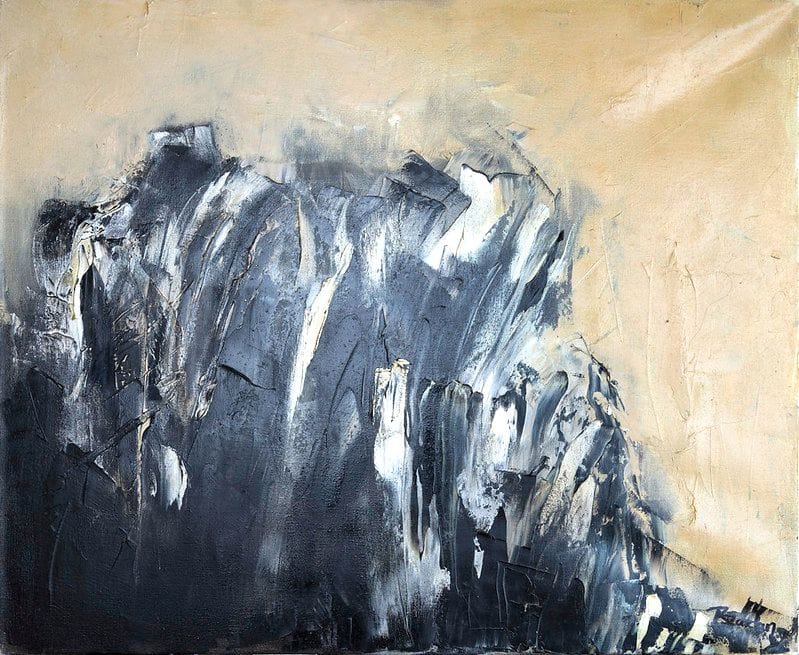
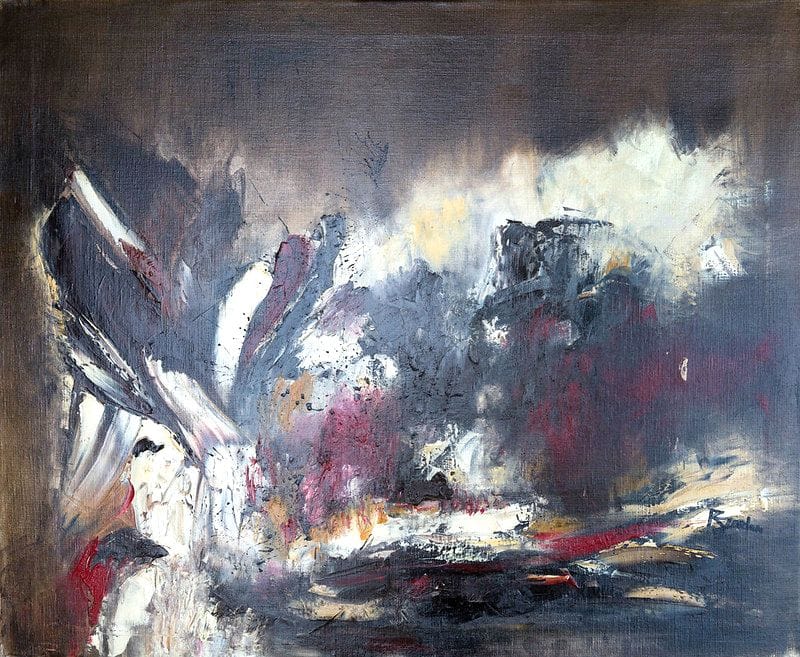
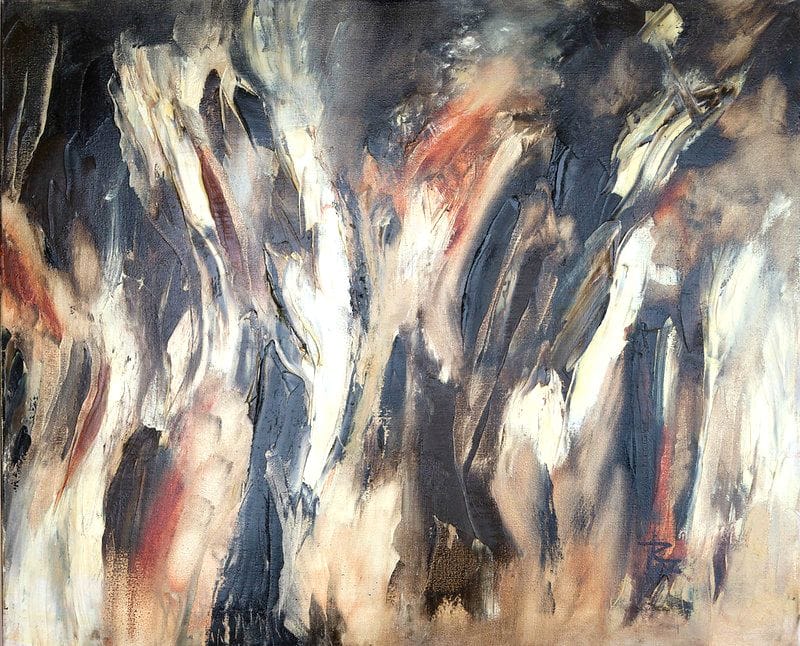
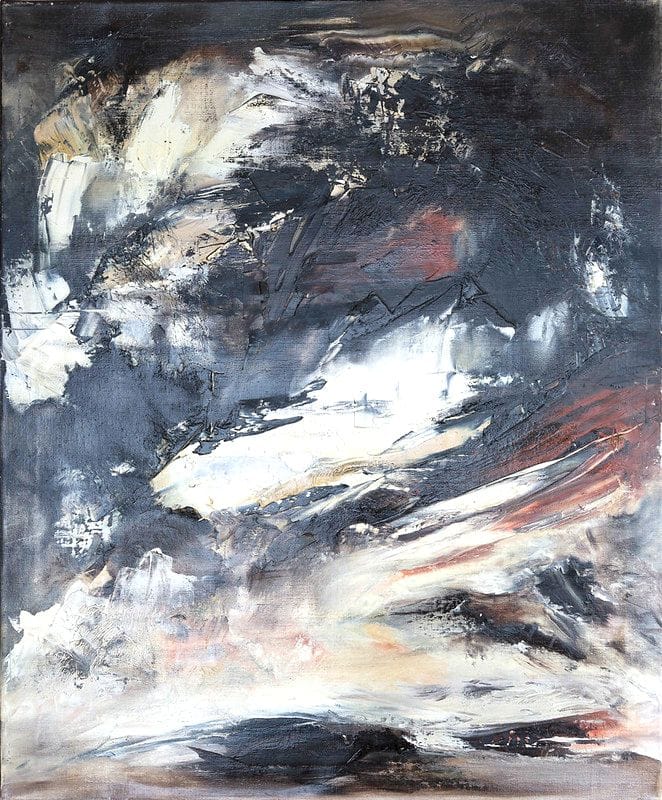
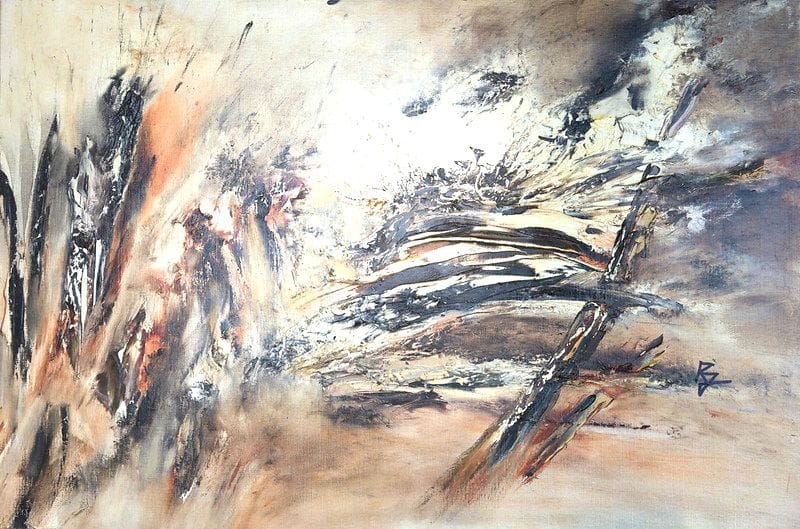
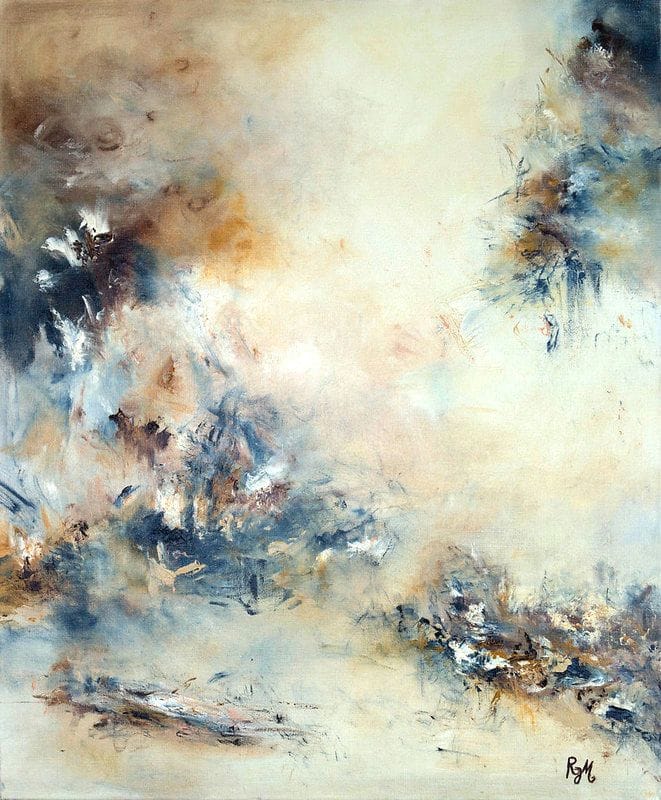
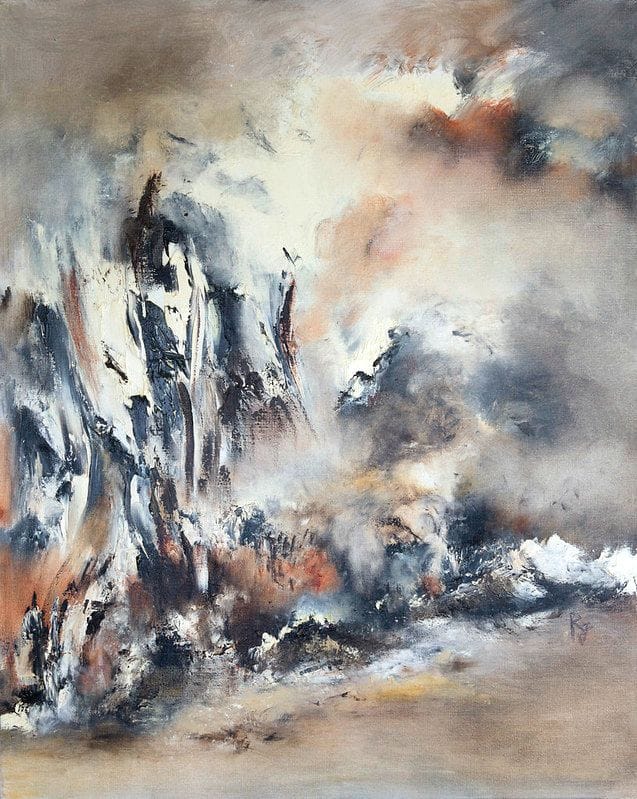
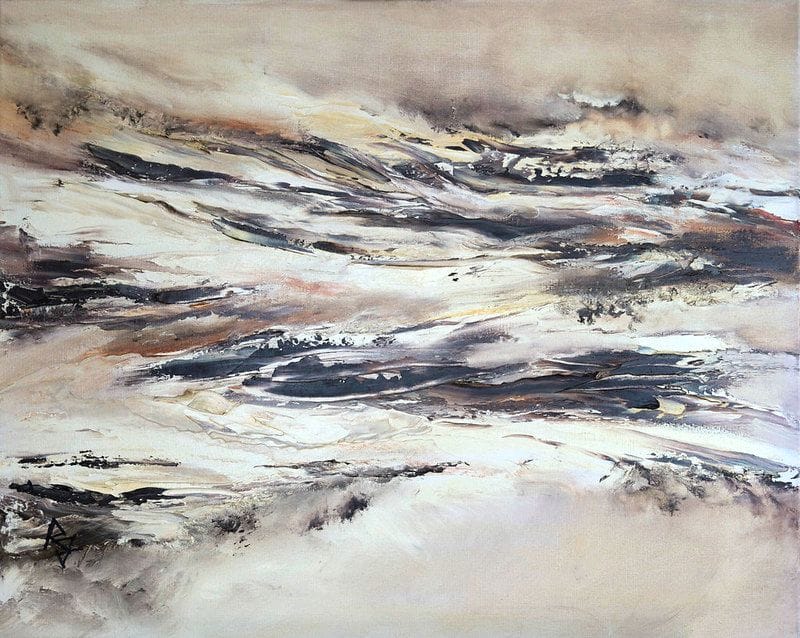
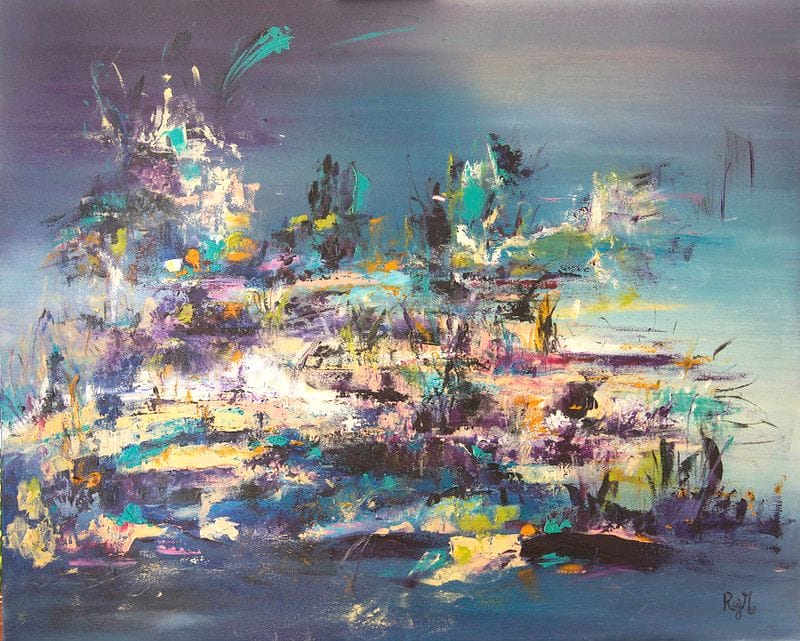
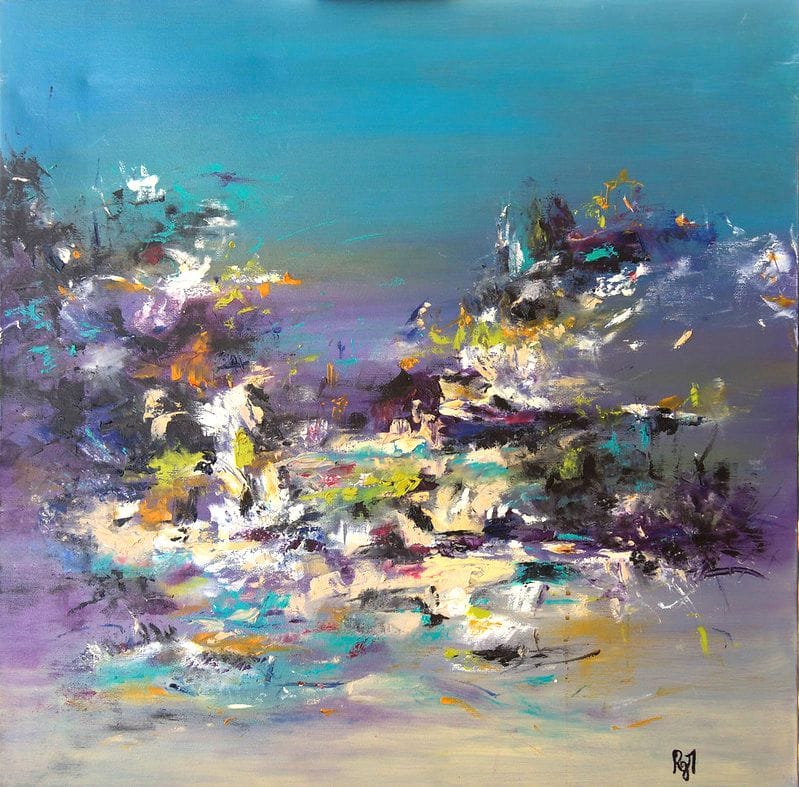
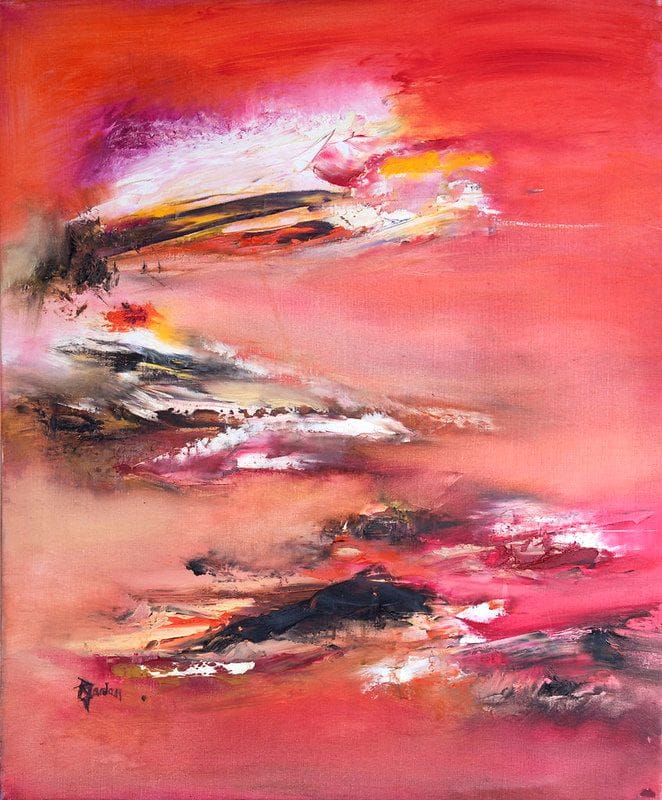
Fifteen canvases where paint rises in ridges and impasto. Each artwork is unique, hand-painted in oil on canvas, and changes with the light at every hour of the day.
See all the worksSome paintings are simply looked at; others are felt before you even know why. The canvases gathered in this collection belong to the second family. Régine Gardan laid her colour on thickly, in broad gestures, in layers that overlap and answer one another. Up close, the surface reads like a miniature landscape: ridges, furrows, waves of pigment held in the oil, catching the light and returning it differently at every hour of the day.
Here you will find fifteen artworks chosen from the most textured pieces in the catalogue: works in which the paint is built up in thickness, with palette knife and brush. Each artwork is unique, hand-painted in oil on cotton canvas, and comes with its certificate of authenticity.
A painting knife looks like a small, supple trowel. Where the brush strokes the canvas, the knife lays down, stretches, scrapes. The artist lifts the paint almost pure and applies it in one confident movement. The colour then keeps the exact trace of the gesture: a plate as smooth as a pebble, a sharp edge, a streak where two pigments meet without ever fully blending. This is what painters call impasto, that thickness of paint which gives the canvas true relief, visible to the eye like a topography.
On Régine Gardan's canvases, this relief tells a story. A deep blue spread in wide slabs suggests a sea seen from above. A white streaked with black becomes a breath, a snowfall, a silence. Greens crease like foliage after the rain. To better understand where this deeply physical way of painting comes from, we invite you to discover the artist's journey, awarded in several painting salons in Isère, France.
A printed reproduction, however carefully made, remains a flat surface: light slides across it without meeting anything. In front of a canvas painted with a knife, the experience is of another nature. Every ridge casts a tiny shadow, every crest catches a glint. The painting literally has a third dimension, a skin. As you move around the room, the shadows move with you and the artwork seems to stir gently, like water ruffled by the wind.
This physical presence also changes your relationship with the painting over time. A printed image is eventually known by heart; a painted surface keeps revealing itself. An impasto you had never noticed appears on a winter morning, a transparency shows itself under a lamp. That is the whole difference between owning an image and living with an artwork.
In the morning, when light comes in almost horizontally, the reliefs stretch into fine shadows: the canvas looks more graphic, almost drawn. At midday, a fuller light softens the shadows and lets the pigments speak with all their intensity. In the evening, under a warm lamp, the impasto turns golden and the canvas takes on a soft, intimate, contemplative glow.
This is why we often suggest hanging a textured canvas where the light changes: near a window, in a living room crossed by the sun, facing a source of indirect light. The colours themselves take part in this breathing: a blue soothes, a black gives structure, a green restores. If this intrigues you, our article on the psychology of colours explores what each shade brings to a room and to the people who live in it.
A well-kept oil on canvas lasts for generations, and textured surfaces only ask for a few gentle habits. Dust the surface once or twice a year with a wide, soft, dry brush, following the direction of the paint. Avoid cloths, which can catch on a ridge of paint, as well as water and household products. Hang the canvas away from direct sunlight, from sources of humidity such as the bathroom, and from radiators. When moving the painting, protect the surface with tissue paper and never lay plastic film directly on the paint. With these simple habits, the texture will keep its relief and its light for decades.
Trust the emotion first: the canvas that stops you is rarely an accident. Then look at the space it is meant for. Large textured canvases inhabit a wall on their own, above a sofa or a console; more intimate formats settle into a hallway or a study. As for the palette, blues and greens in thick paint bring an almost mineral depth, while textured contrasts make contemporary interiors vibrate: lovers of restraint will find their piece among our black abstract paintings or in the series of black and white abstract paintings, where texture takes the place of colour as the main subject.
Every canvas in this collection is a one of a kind piece: once it joins your home, it will exist nowhere else. Shipping is free across the European Union, and each artwork travels with its certificate of authenticity.
Each painting is hand-painted, signed by the artist and delivered with its certificate of authenticity.
Careful, free delivery across the European Union and Switzerland, with a tracking number.
Pay securely by bank card, through the Stripe platform.
A question about an artwork or an order? We're happy to help.