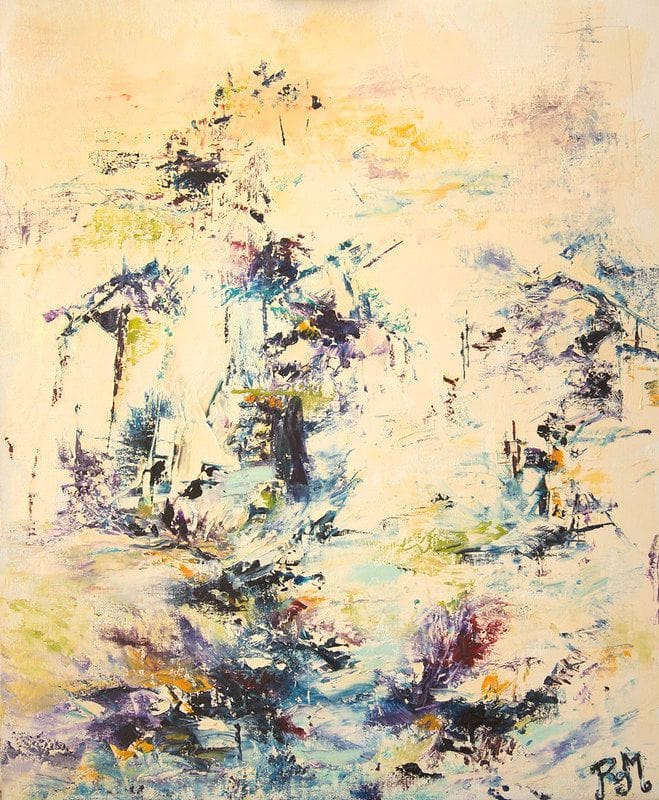
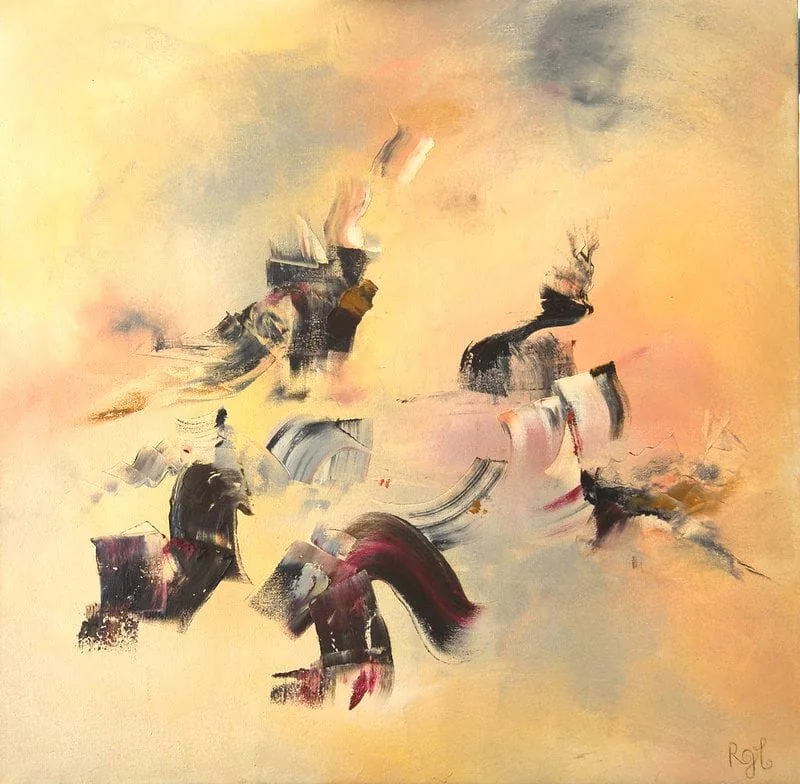
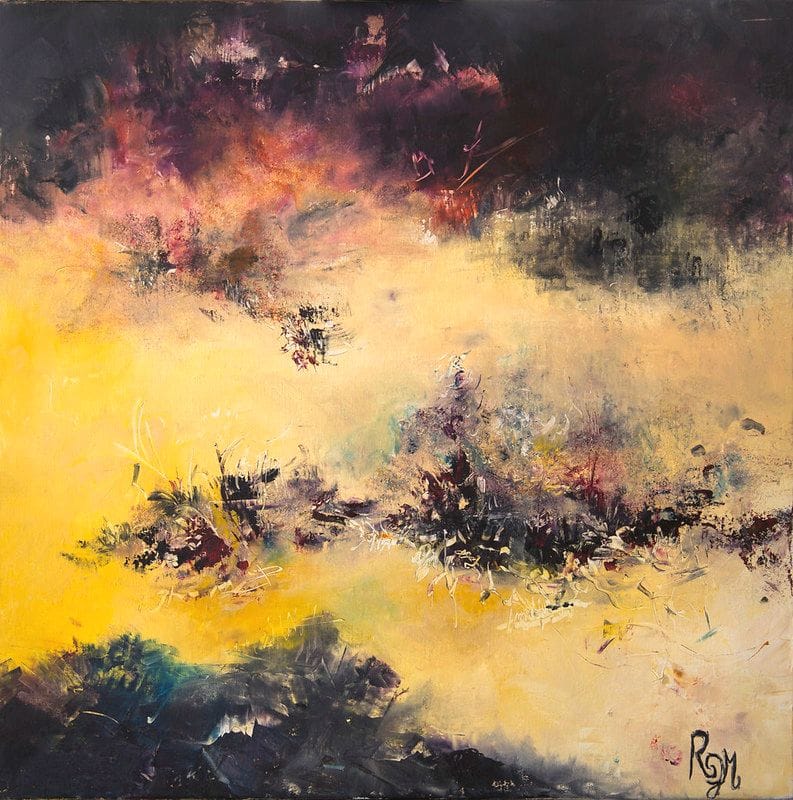
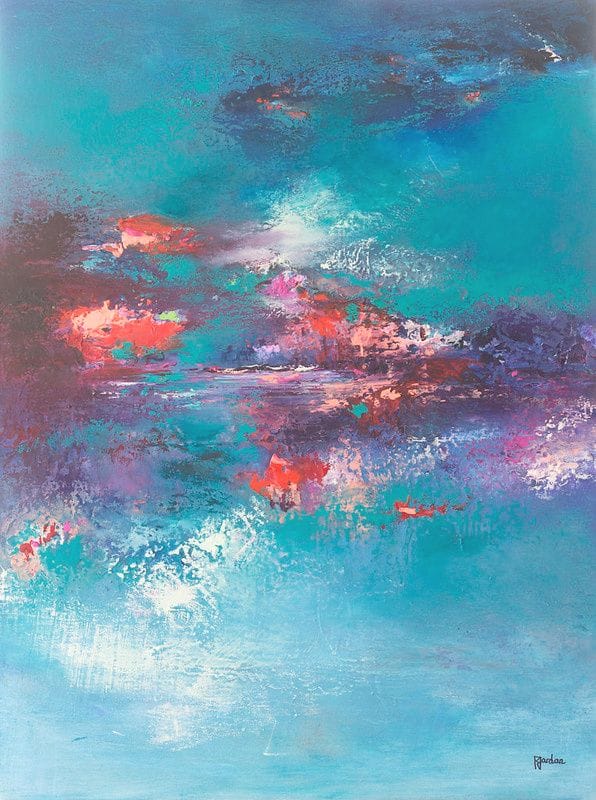
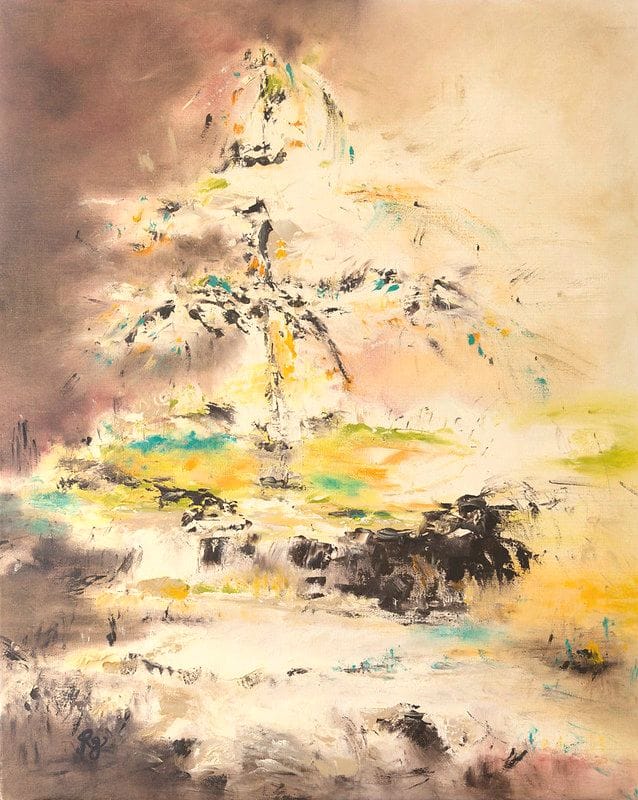
The entryway, the room decorated last
It is almost always the last room you think about, when it is the first one you walk through. Every day, twice a day at minimum. And it is also the first space discovered by anyone who comes to your home.
A bare entryway sets the tone of a place you pass through. An entryway with a work sets the tone of a place that is lived in. The effort-to-effect ratio is unusually favourable: one wall to deal with, and it changes how you come home.
Two physical constraints, and what they imply
The entryway imposes rules other rooms do not.
The first is the lack of distance. You look at the painting from one metre, sometimes less, never from four metres as in a living room. That changes everything: the details of the material become visible, and a very large format loses its point since you can never take it in at a glance. Medium formats, between sixty and ninety centimetres, suit best.
The second is the shape of the wall. Entryways are narrow and tall, often taken up by a door, a cupboard, a coat rack. That is why this selection favours vertical formats: they follow the available geometry and visually stretch the space.
The colour that welcomes
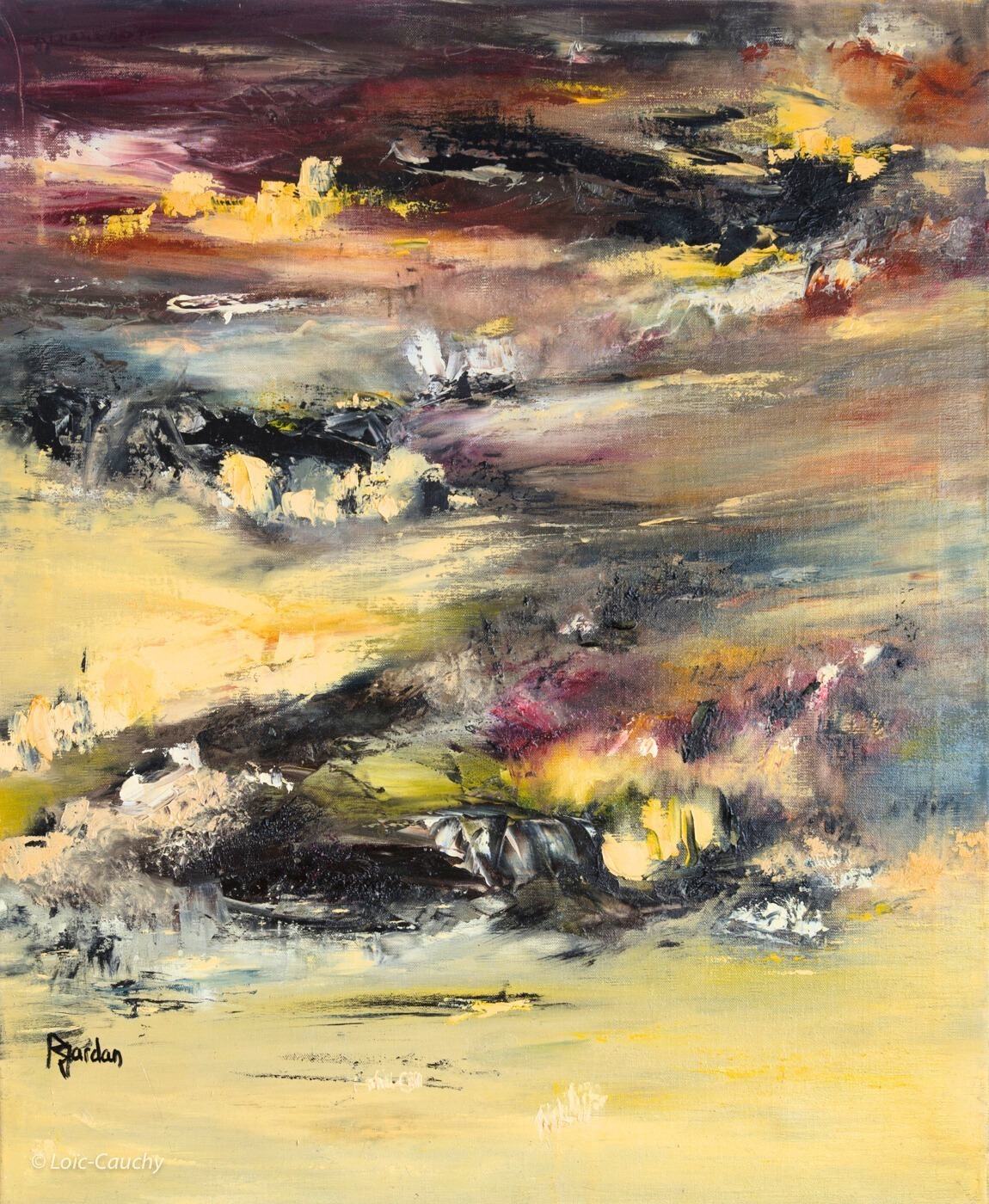
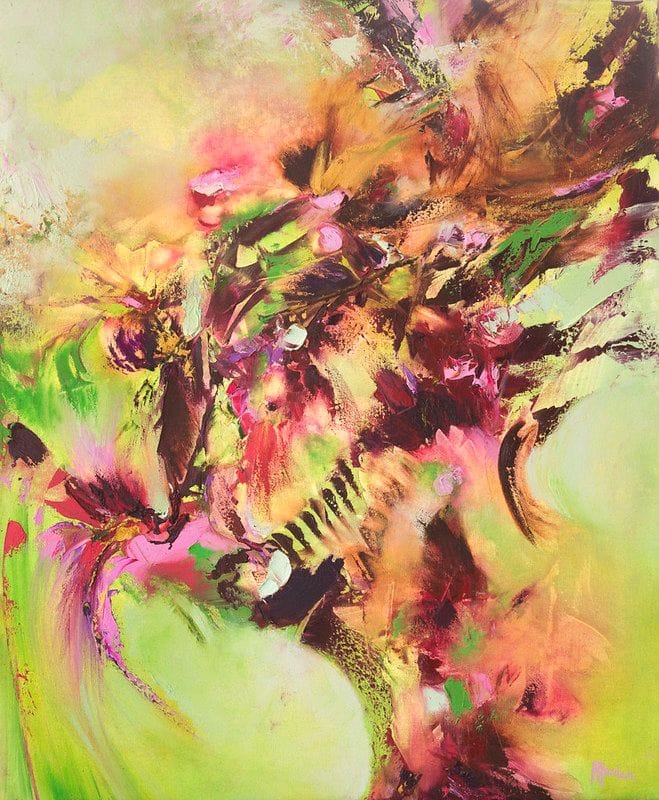
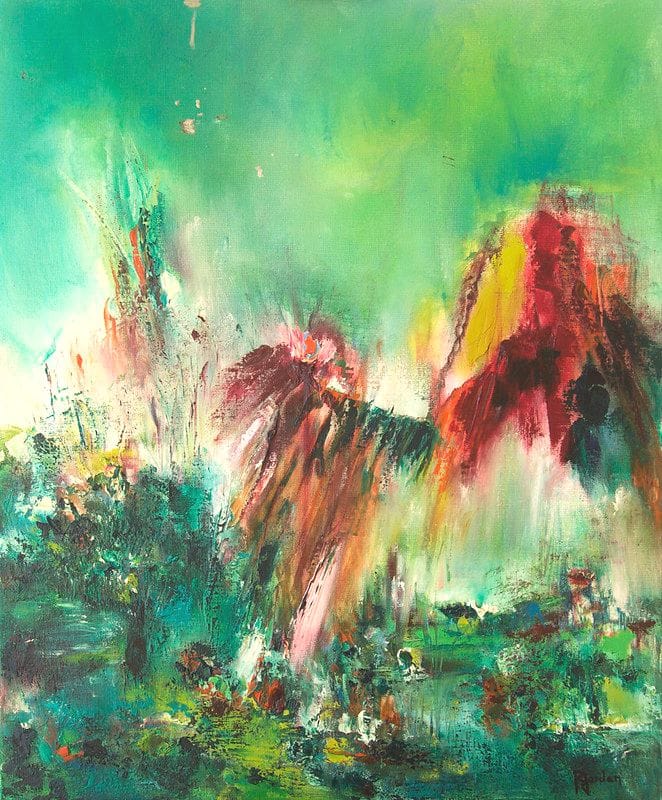
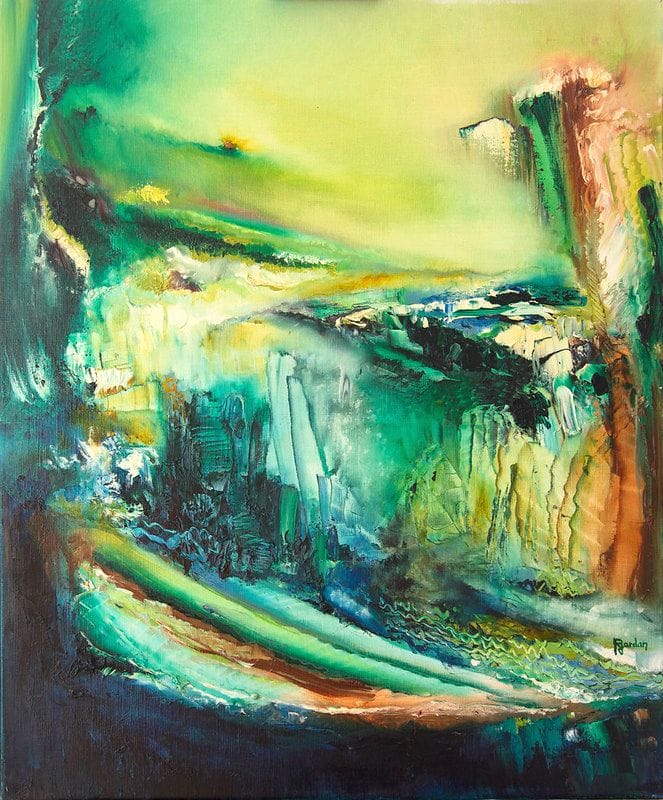
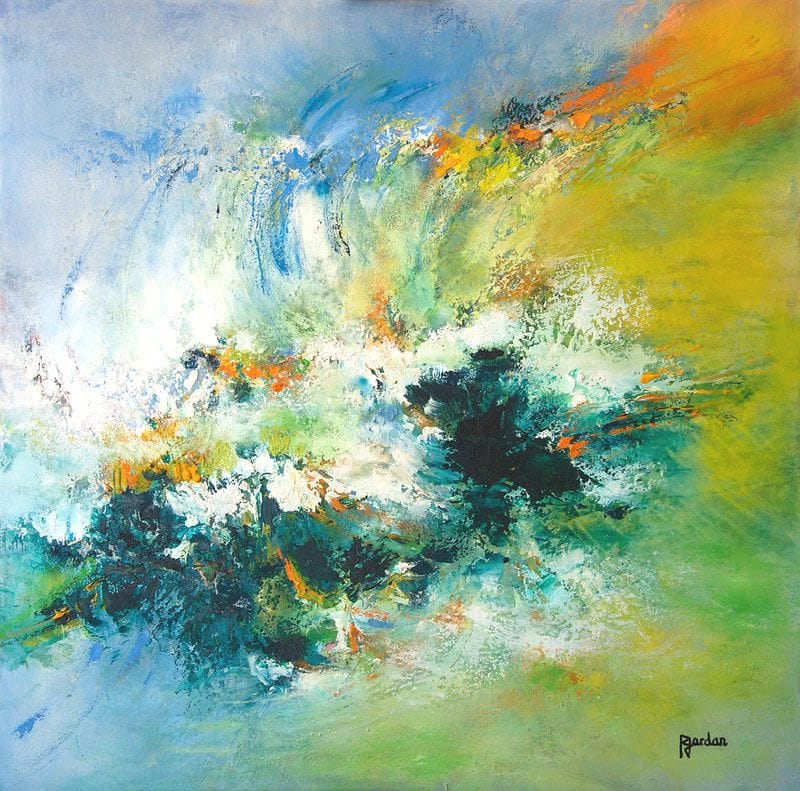
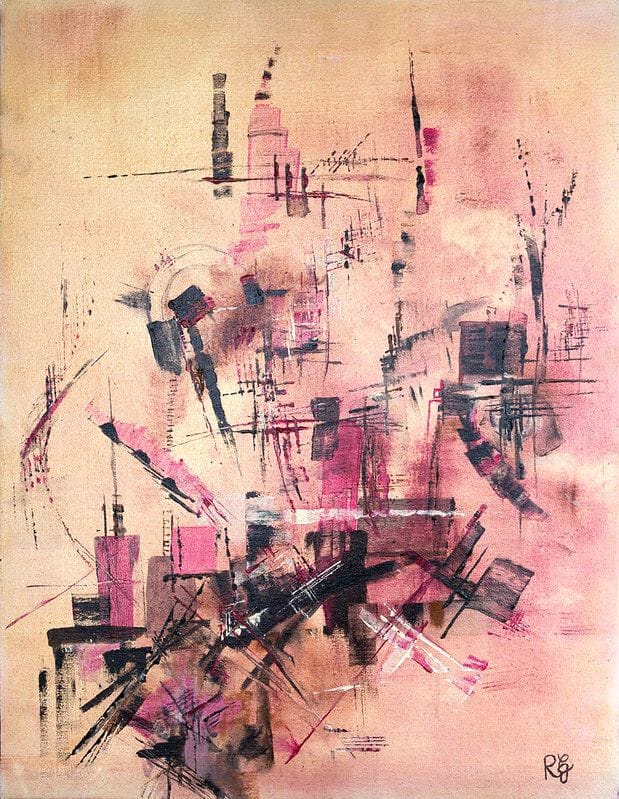
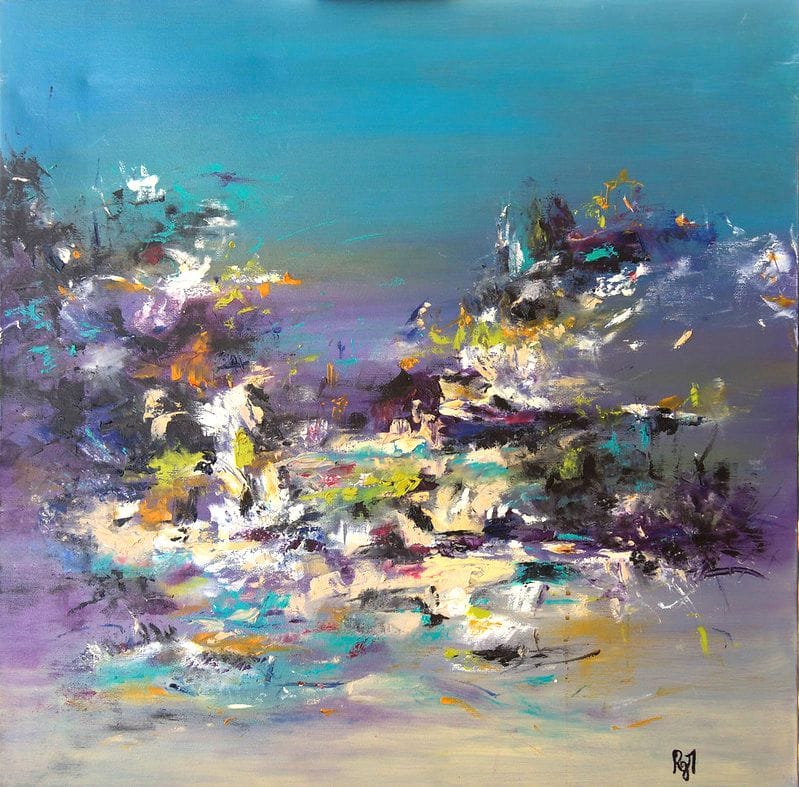
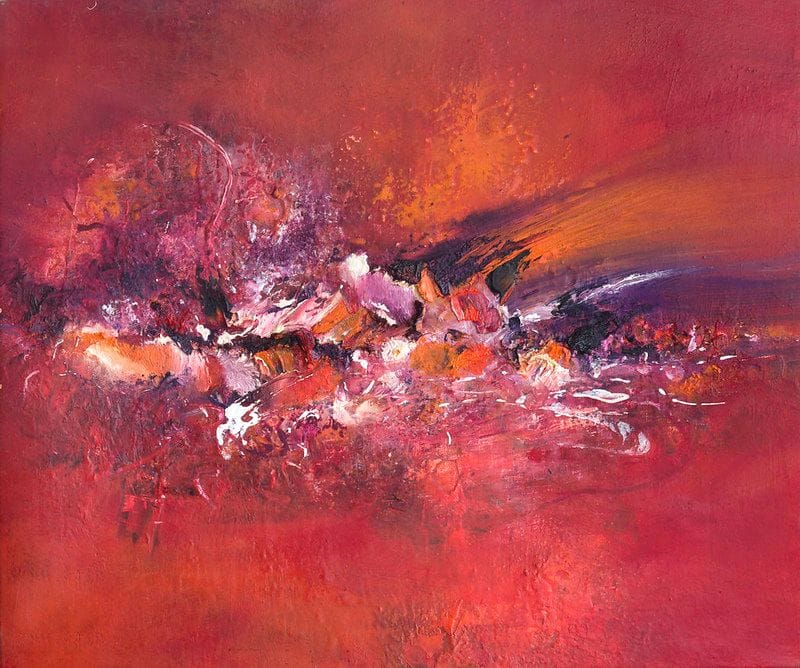
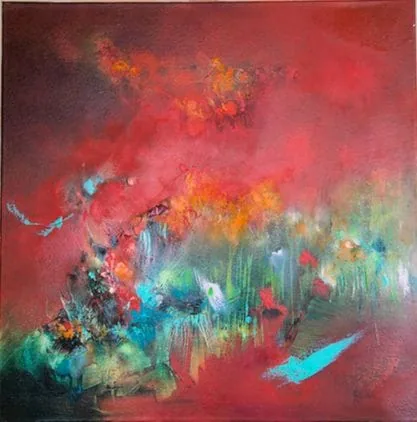
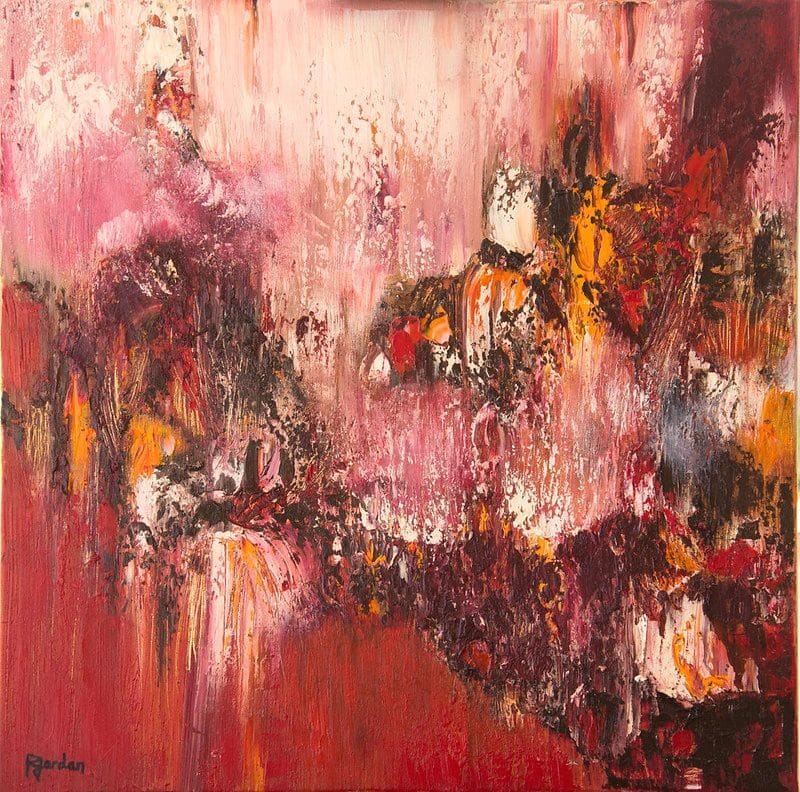
The canvases gathered here are deliberately colourful. An entryway is almost always poorly lit, often without a window, and a work in muted tones disappears there completely.
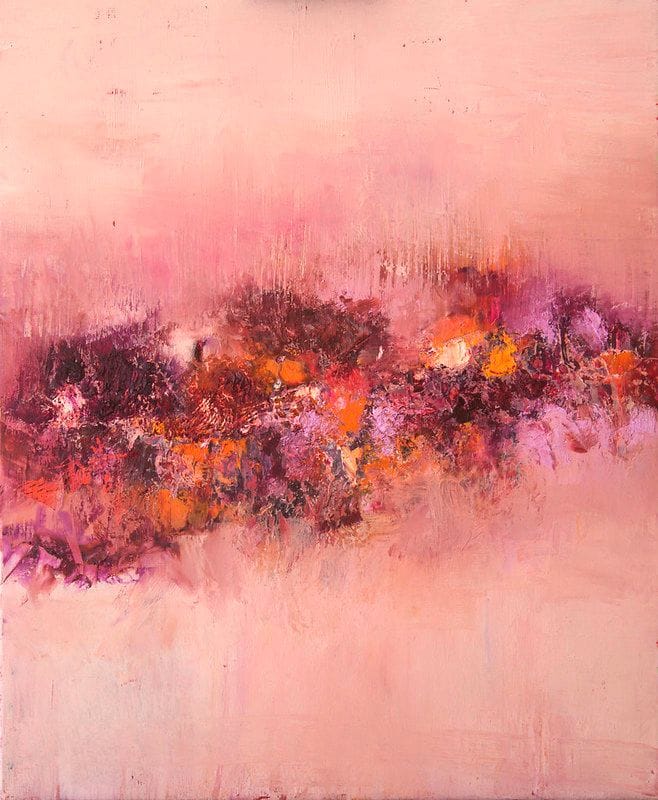
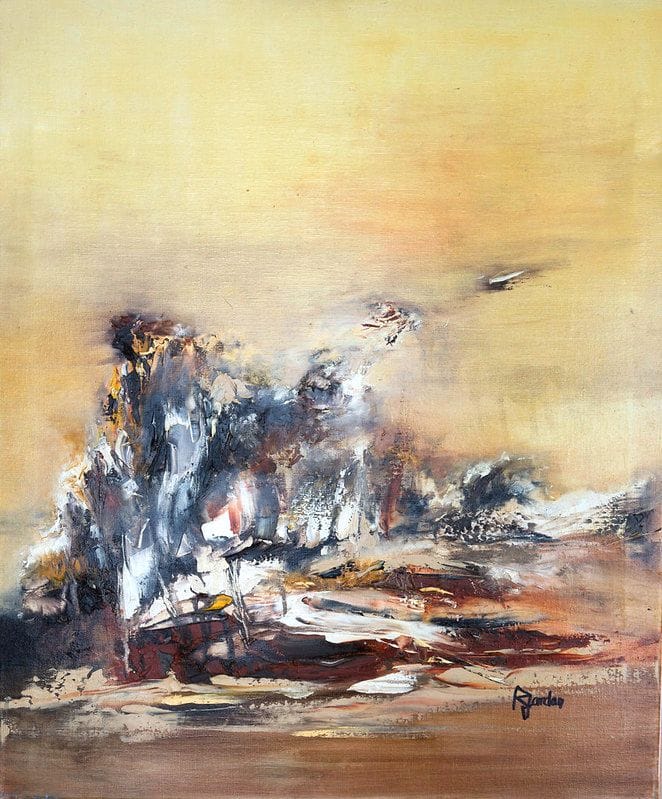
Warm shades, reds, oranges and yellows, work particularly well: they make up for the lack of natural light and create a sense of welcome the moment the door opens. The multicolours play the same role with more variety.
If your entryway is already bright and opens onto a colourful living room, the opposite can be justified: a calmer canvas, in a japandi or Scandinavian spirit, then creates a soft transition rather than a jolt.
Exactly where to hang it
Three placements work, in order of effectiveness.
The wall facing the door is the strongest: the work is met head-on as you come in. If that wall is taken, the side wall you walk along suits well, provided you hang slightly lower than usual, since you look at it while moving.
The wall above a console is the most classic. In that case, leave between twenty and thirty centimetres between the top of the furniture and the bottom of the canvas, and align the width of the work with the console rather than centring it on the whole wall.
Our guide on how to hang a painting gives precise heights, and the simulator lets you check proportions before drilling.
Lighting changes everything, here more than elsewhere
Since the entryway rarely receives daylight, artificial lighting becomes decisive. A cool white bulb in the ceiling flattens colours and gives a drab result, whatever the quality of the work.
Warm light, around 2700 kelvin, renders the pigments of an oil painting far better. If you can add a small spot aimed at the wall rather than a central ceiling fitting, the gain is immediate: raking light reveals the relief of the material, which becomes visible instead of staying flat.
What if your entryway is tiny?
That is the most common case in a flat, and it is not an obstacle. An entryway a metre and a half wide is actually easier to handle than a large hall, because the constraint forces the right choice.
In that case: one canvas, vertical format, between sixty and seventy-five centimetres tall, hung on the clearest wall. Do not try to add a mirror, a decorative hook rail and a shelf as well: accumulation in a small volume produces the opposite of the effect you want.
If the only free wall is the far one, so much the better. That is the most effective placement: a canvas at the end of a perspective draws the eye towards the back and visually lengthens the entrance passage. Our hallway canvases follow the same narrow-wall logic.
A unique work, right at the door
Every canvas shown here is painted in oil on cotton canvas by Régine Gardan, in her studio in Isère, signed and delivered with its certificate of authenticity. The edges are painted, so no framing is needed.
It is also the room where uniqueness is most noticed: your guests see this work before any other, and no copy of it exists. Our page on hand-painted abstract art explains what that involves in practice.